Designing a product for users goes beyond arranging design components on a screen. It requires crafting experiences that clearly communicate what a brand stands for.
The interface should embody the brand's personality, from its core identity to every product interaction, without leaning completely on aesthetic illustrations. This is what makes a brand recognisable and differentiates it from other design trends.
At Mono, we approach Product Design with a strong focus on brand-driven interfaces. This means ensuring that every interaction, visual element, and copy at any touchpoint is deliberate and reflects our identity.
Our design process at Mono - brand expression across interfaces
Brand-driven interfaces become clearer when you look at how they appear across different surfaces. From marketing websites to internal presentations, each interface is an opportunity to explore the brand while staying rooted in the same design language.
Here are some ways we apply this same design thinking across different touchpoints within the Mono ecosystem.
The Mono Website
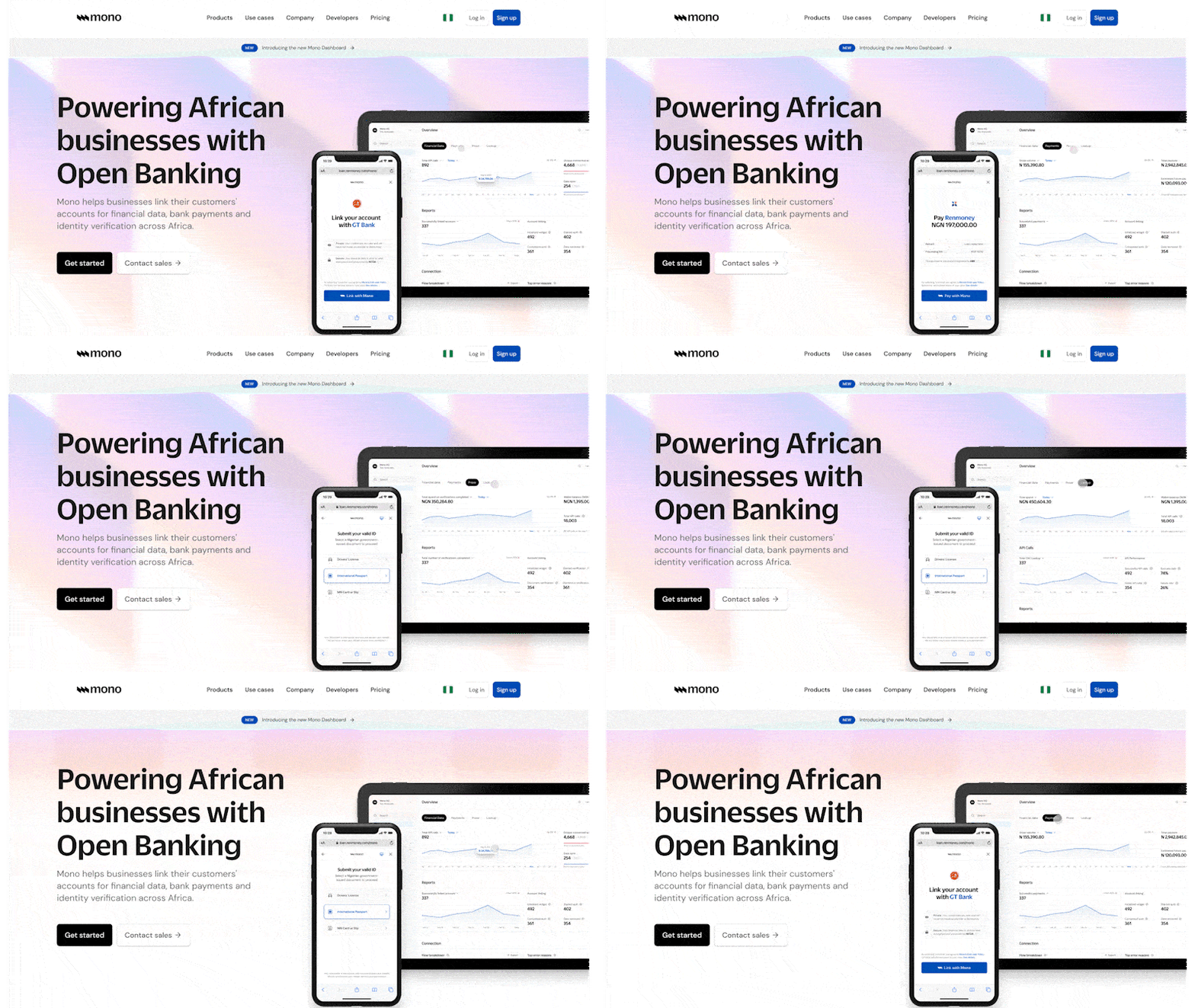
The Mono website is often the first place people experience the brand, so it plays an important role in expressing our visual identity.
A big part of that identity is the louvre, a motif that runs through our visual language. When we started designing the new Mono website, the challenge wasn’t just applying the brand; it was finding ways to extend it and express the same idea in fresh, meaningful ways without it ever feeling forced.
One way we approached this was in the hero section. Instead of relying on brand colours alone, we introduced a subtle louvre gradient animation in the background, mimicking the natural movement of a louvre opening and closing.
It’s quiet enough that most users won’t consciously notice it, but it adds a distinct layer to the Mono homepage.
The Owo Website
Owo is our consumer product, so it has its own distinct identity. The fold and dash system is central to its brand language. So just like with Mono, the goal wasn’t simply to design a website; it was to find surfaces where that identity could come alive.
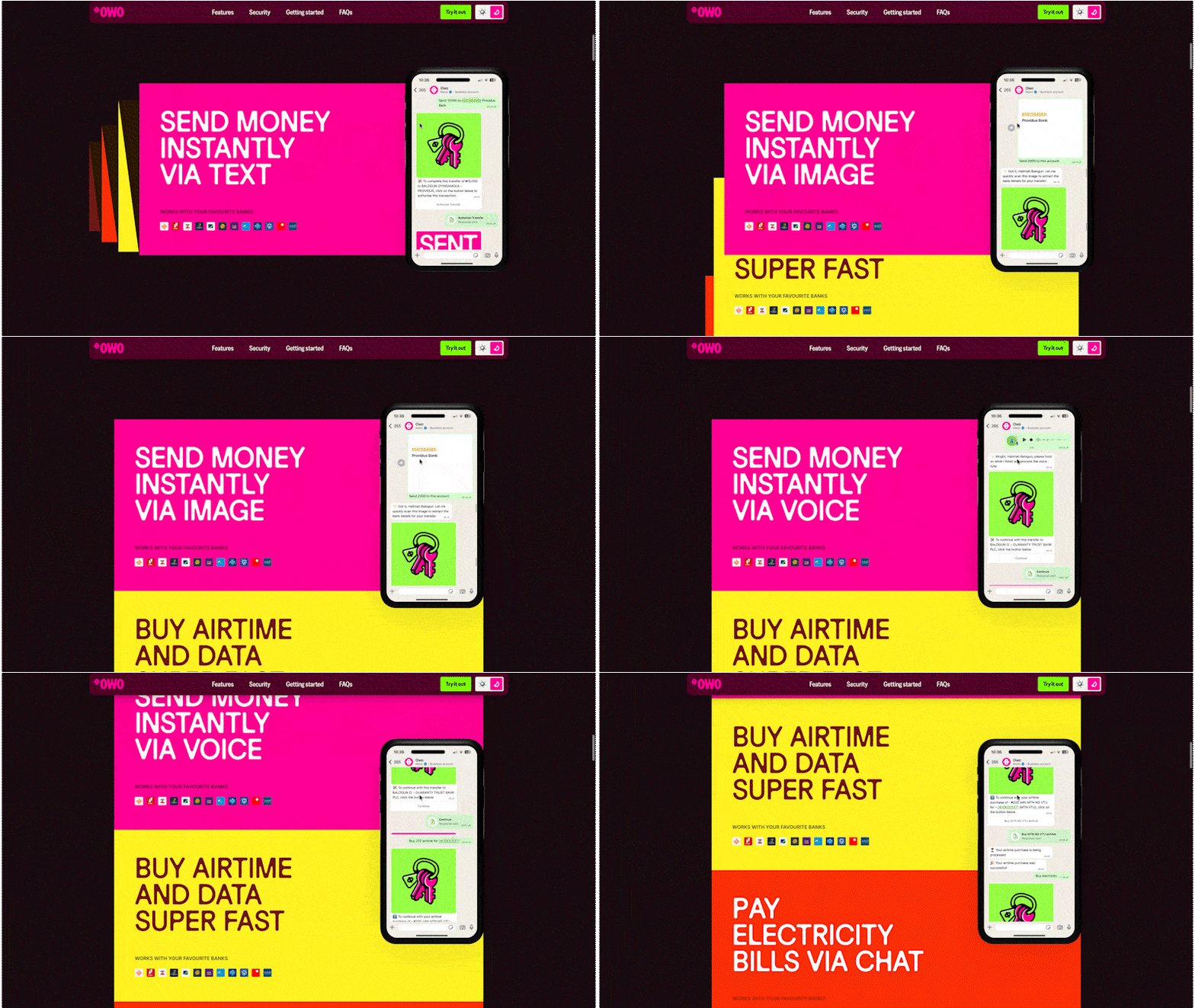
The features section does this quite literally. By default, the layout looks like a folded flyer, and as you scroll, the fold gradually drops to reveal the content beneath. This ties the brand’s visual metaphor directly into how the page behaves.
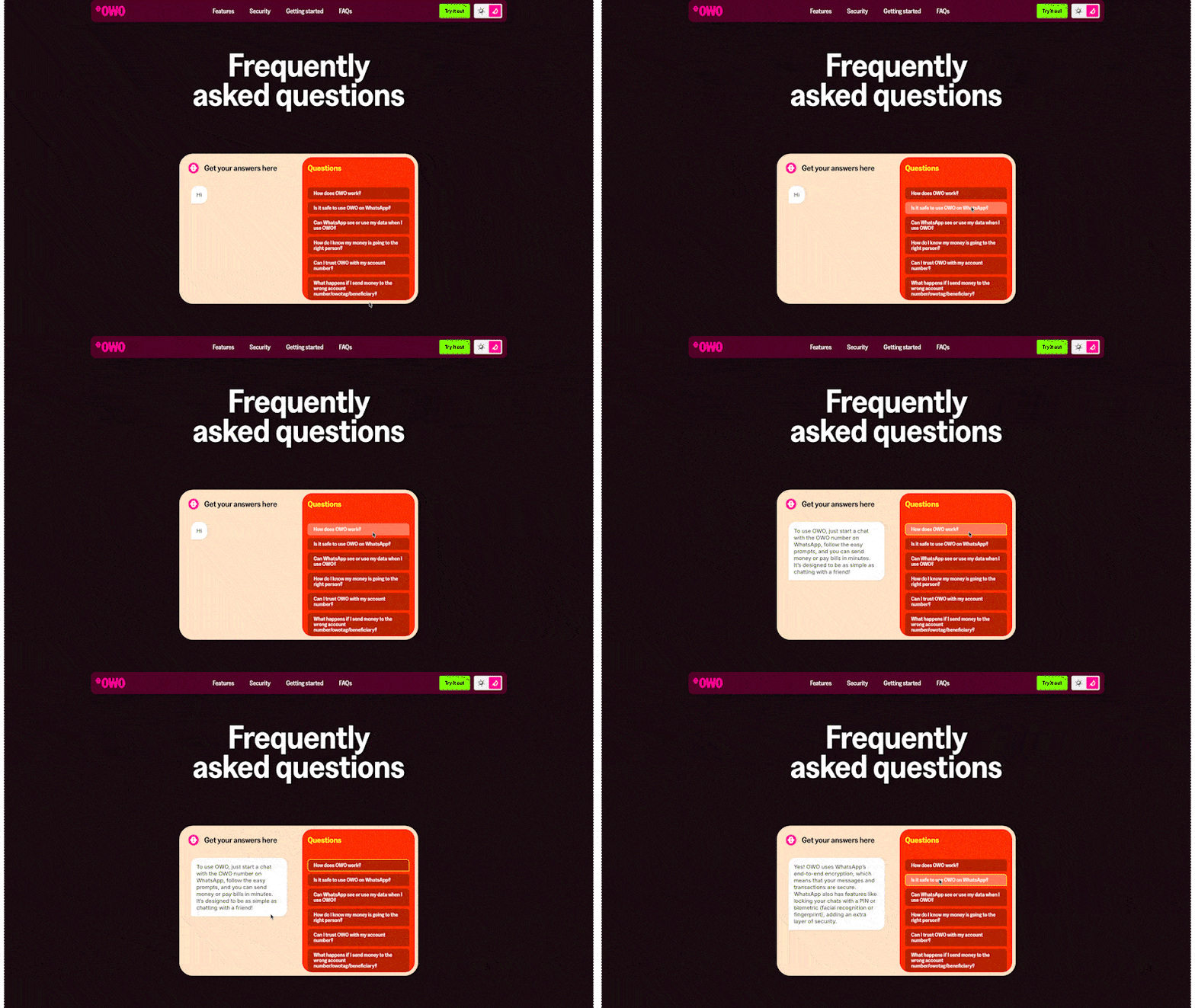
The FAQ section takes a different approach. Owo is a conversational tool, and we wanted the section to reflect that rather than default to the standard accordion layout.
We designed it to feel like a chat experience. The chat interface sits on the left, while questions appear on the right as chat bubbles. Clicking a question triggers a response from Owo on the left, as if you were having a conversation on a regular chat interface like WhatsApp.
The QBR Presentation
The QBR (Quarterly Business Review) presentation deck is the one design element at Mono that's purely internal, which changes what's possible with our design language. This is where our designers get to experiment with directions that wouldn't typically work on a consumer product.
What makes this project interesting is that each quarter, the designer(s) leading the deck design have a theme. The theme is a metaphor that guides the entire visual direction of the presentation, but the catch is that the metaphor has to behave like a louvre; from the layering, down to the reveal and movement. The brand colours stay intact, so it never drifts too far.
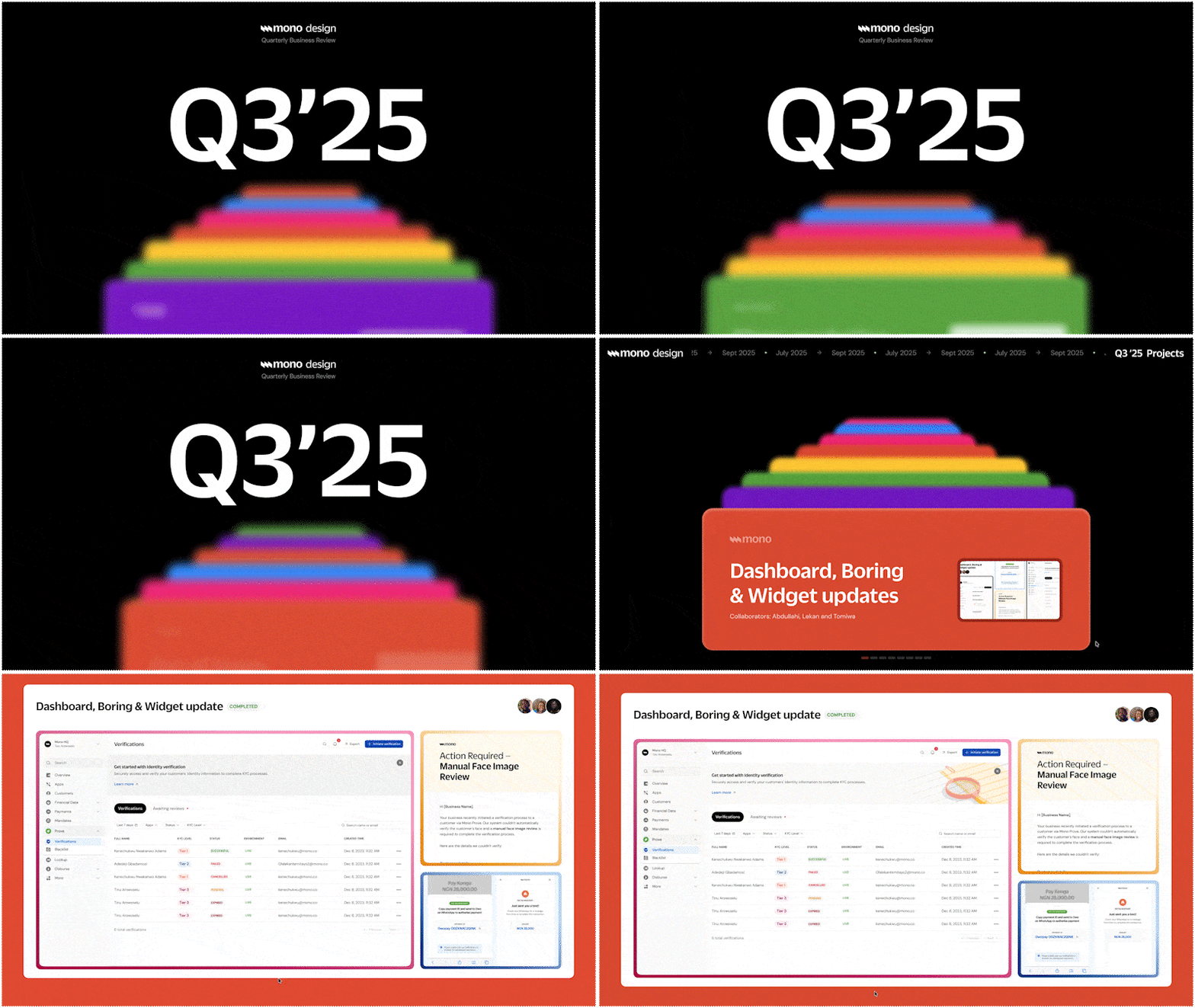
Our most recent presentation deck used stacked, shuffling cards. Slides moved the way a real deck of cards does: the front card cycling to the back, then the next one following. It’s a familiar motion, but reframed this way, it looks almost like louvres shifting.
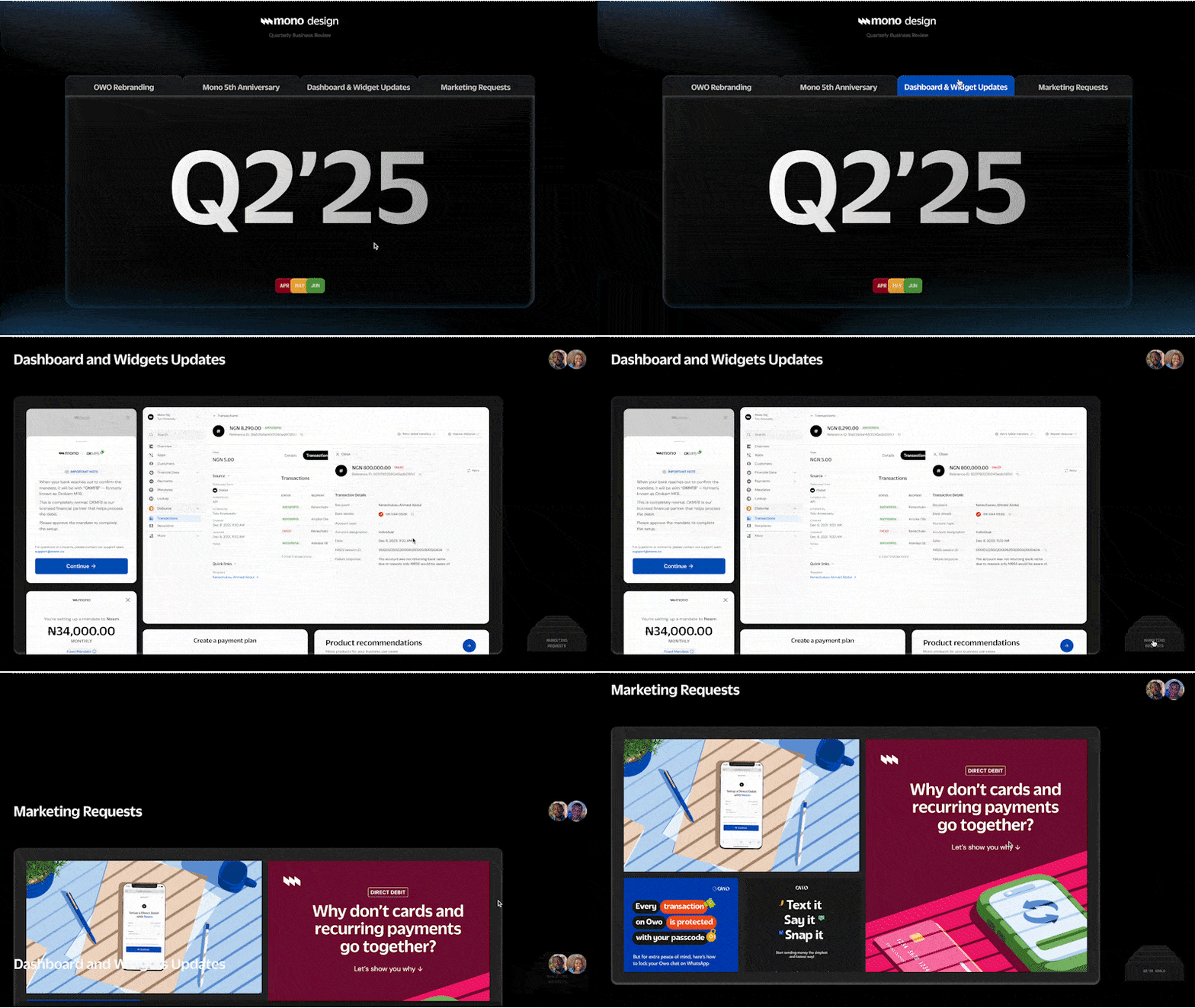
The deck before that used a folder as its metaphor. The opening screen was designed as a folder, with each project from the quarter acting as a tab inside it. Navigating the presentation felt like flipping through a cabinet of folders in an office.
 Both decks looked nothing like the Mono website, but they still felt like Mono. The brand colours anchored the experience while the metaphor did the creative work, so every detail still felt like an extension of our brand.
Designing at Mono means exploring each brand touchpoint in different ways. However distinct the interfaces are, what holds them together is the underlying idea that shapes the design. Those ideas act as both a constraint and a creative framework, allowing each interface room to experiment and evolve while still feeling unmistakably Mono.